Introduction
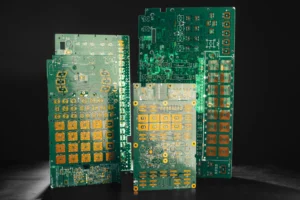
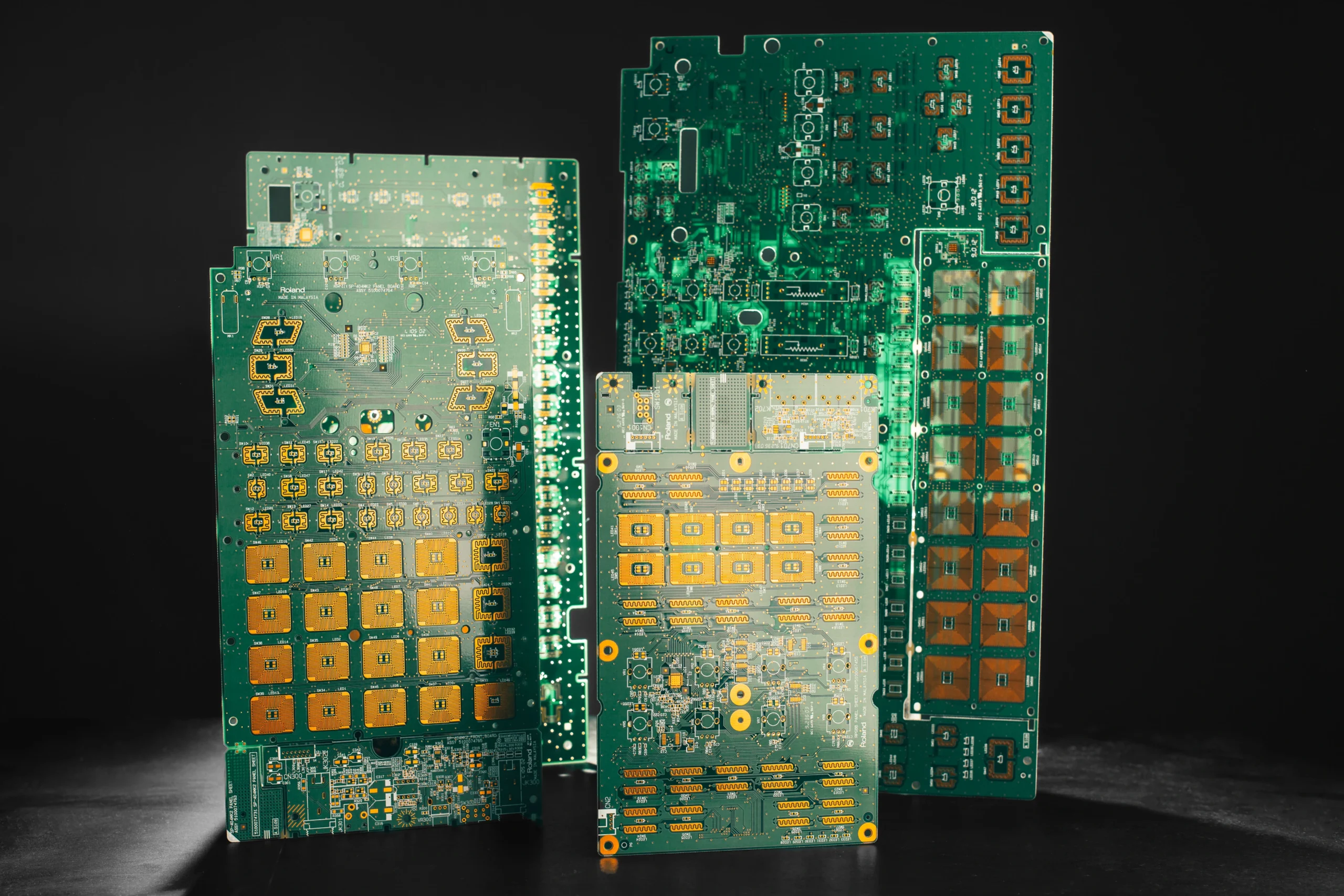
Printed Circuit Boards (PCBs) are the backbone of modern electronics. They mechanically support components and connect them through copper pathways so devices work reliably and efficiently. From everyday electronics such as smartphones and air conditioners to safety‑critical systems in medical and automotive applications, PCBs are the quiet enablers behind the technology we depend on. Beyond consumer and industrial products, advanced PCB technologies drive innovation in aerospace navigation, 5G telecommunications, high‑speed networking, defence electronics and renewable energy.
A brief history of PCBs
The roots of PCB technology stretch back over a century. In 1903, German inventor Albert Hanson described foil conductors laminated onto insulating material—an idea well ahead of its time. Four decades later, Paul Eisler demonstrated the first working radio built with a printed circuit during the Second World War. In the same era, printed wiring was adopted at scale in the US proximity‑fuze programme, and in 1948 the technology was released for commercial use.
By the 1950s, PCBs rapidly replaced point‑to‑point wiring, cutting assembly time and errors while enabling mass production and better reliability. Through the 1970s and 1980s, multilayer boards met the growing complexity of electronics; from the late 1990s onward, High‑Density Interconnect (HDI) and microvias enabled the miniaturisation demanded by mobile phones and high‑performance computing.
Today, advanced forms such as Any‑Layer HDI and ceramic substrates enable the performance levels required in 5G infrastructure, aerospace and cutting‑edge medical devices.
The different forms of PCBs
Rigid PCBs
The most common type, built from solid fibreglass or composite substrates that do not bend. They dominate everyday electronics such as televisions, computers and industrial machinery.
Flexible (Flex) PCBs
Made from bendable materials like polyimide, these circuits can twist and fold without breaking. Available as single‑sided, double‑sided or multilayer, they’re found in camera modules, wearables and increasingly in automotive interiors.
Rigid‑Flex PCBs
Hybrid designs that combine rigid sections with flexible interconnects to save space and reduce connectors. They are widely used in aerospace systems and medical devices such as pacemakers and imaging equipment.
How PCBs differ in complexity
Single‑Sided PCBs
Copper on one side only; cost‑effective for simple products like calculators, power supplies and basic appliances.
Double‑Sided PCBs
Copper on both sides with plated vias connecting layers; suitable for industrial controls, LED lighting and instrumentation. Explore double‑sided solutions
Multilayer PCBs
Three or more copper layers laminated together for higher density and smaller footprints; used in advanced computing, servers and telecoms. View multilayer capabilities
HDI PCBs
Use microvias, fine lines and advanced materials to achieve compact, high‑performance designs—essential in smartphones, tablets and high‑speed networking devices. Discover our HDI technology
Any‑Layer HDI
The most advanced HDI style, allowing any internal layer to interconnect with any other layer via stacked, copper‑filled micro vias. This maximises routing freedom, reduces size and weight, and boosts performance: ideal for flagship smartphones, wearables and medical imaging systems.
Specialised materials in PCB design
Some PCBs use alternative base materials to meet demands such as heat dissipation or high‑frequency performance.
Aluminium (Metal‑Core) PCBs
Provide excellent thermal conductivity for heat‑sensitive designs, common in LED lighting, automotive electronics and power converters.
Ceramic PCBs
Use substrates like aluminium oxide (Al₂O₃) or aluminium nitride (AlN) for outstanding thermal performance and RF stability. They’re used in aerospace electronics, RF/microwave modules and medical imaging/diagnostic equipment.
Why PCBs matter
PCBs are often called the “heart of electronics” for three reasons:
- Reliability
Robust interconnects and controlled layouts reduce failures.
- Scalability
Repeatable fabrication enables high‑volume, consistent manufacturing.
- Innovation enablement
From compact smartphones to high‑speed data centres and satellites, PCBs make miniaturisation, higher speeds and greater functionality possible.
In short, without PCBs, modern life would look very different.
About GUH Circuit Industry
At GUH Circuit Industry, we manufacture a comprehensive range of PCB solutions from Single‑Sided and Double‑Sided to Multilayer and HDI/Any‑Layer HDI, with engineering support from DFM to scale‑up. Talk to our team about your next project.